
Climate & Environment Consulting: Designing a Sustainable Tomorrow in the Era of Climate Crisis
Date 2026.03.03
Today, climate change has transcended environmental boundaries to become a critical variable determining national survival and economic stability.
For developing countries lacking the necessary infrastructure and frameworks, the climate crisis presents an even harsher reality.
In response, Korea Institute for Development Strategy (KDS) provides specialized climate and environment consulting through development cooperation projects initiated by domestic and international agencies.
Case 1: KOICA Sri Lanka – Long-term Project Formulation for Climate Action Programs
As an island nation, Sri Lanka is highly vulnerable to sea-level rise and extreme weather events, while relying heavily on imported fossil fuels for its energy production. Consequently, there is significant national demand for expanding renewable energy specifically floating and agrivoltaic solar power and a strong government push for electric vehicle (EV) transition to combat severe air pollution.
However, a new challenge emerges. a projected surge in electronic waste (e-waste), such as end-of-life solar panels and EV batteries.
Currently, the legal regulations and recycling facilities to handle these materials safely are severely lacking.
-
KDS’s Strategic Consulting. We conducted in-depth consulting and field surveys with central and local government stakeholders, including the Ministry of Energy, Ministry of Transport, and the Waste Management Authority.
-
The Integrated Model. Recognizing that climate issues are interconnected, KDS designed a virtuous cycle model that links "Renewable Energy Deployment – Sustainable Transport Transition – Effective E-waste Management." This comprehensive package supports the Sri Lankan government’s transition toward a sustainable, low-carbon society by applying Korea’s advanced clean energy and resource circulation technologies.
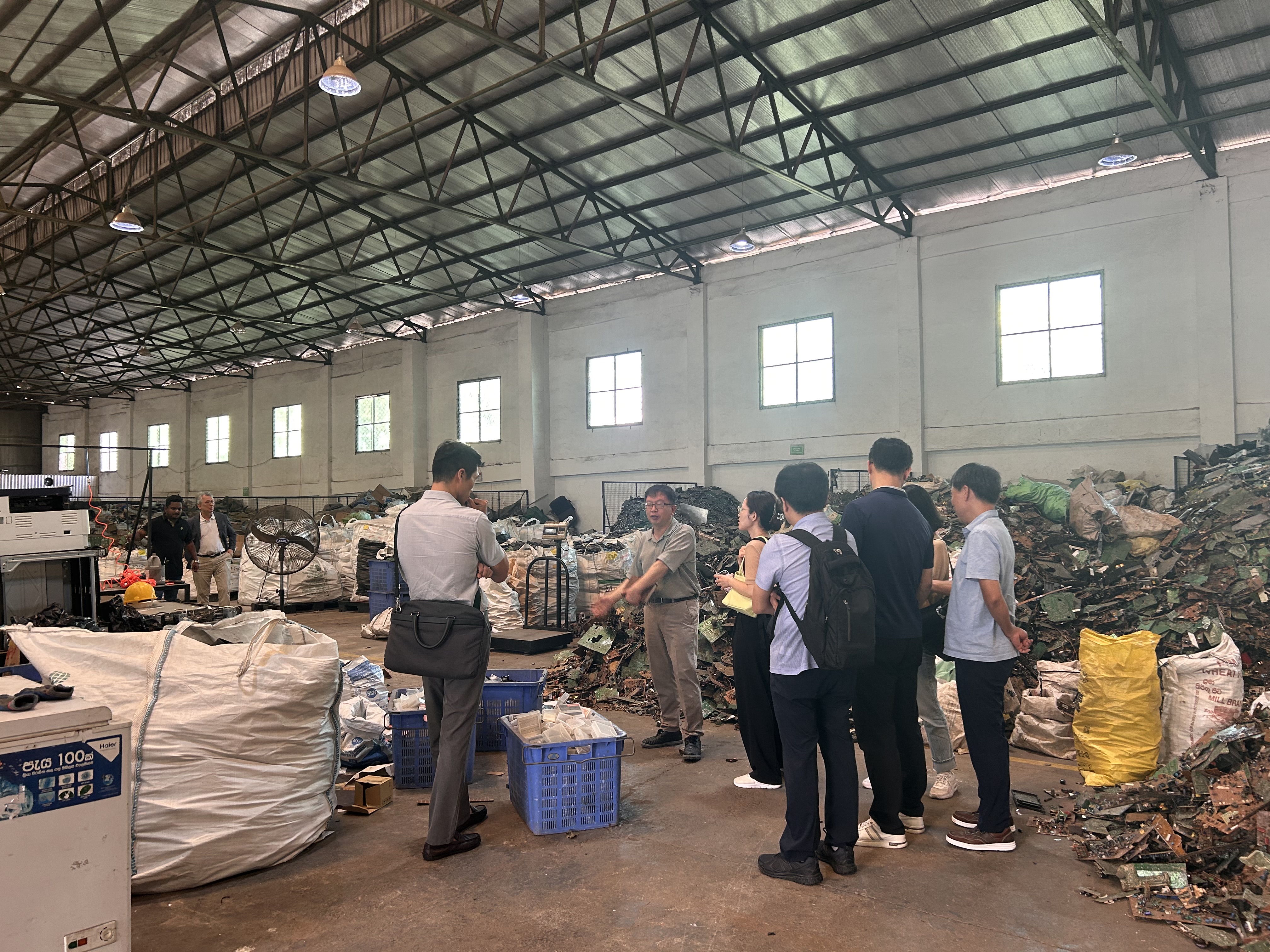
(Site visit to a waste management enterprise in Sri Lanka to assess local e-waste and industrial recycling infrastructure.)
Case 2: EDCF – Performance Evaluation of Climate Mainstreaming
Beyond implementing individual projects, it is crucial to transform the support system itself to be climate-friendly. The Economic Development Cooperation Fund (EDCF) of the Export-Import Bank of Korea is actively promoting Climate Mainstreaming by integrating climate change considerations across all business procedures.
-
Global Benchmarking. Korea Institute for Development Strategy (KDS) performed an evaluation to ensure EDCF’s frameworks align with international trends. We analyzed how advanced bilateral agencies like JICA (Japan), AFD (France), and KfW (Germany), as well as multilateral development banks (MDBs) like the ADB, mainstream climate factors into their organizational operations and project lifecycles.
-
Strategic Roadmap. Through this diagnostic evaluation, KDS provided actionable insights and a roadmap for EDCF to enhance its climate-responsive systems, ensuring its alignment with the global standards of the OECD DAC.
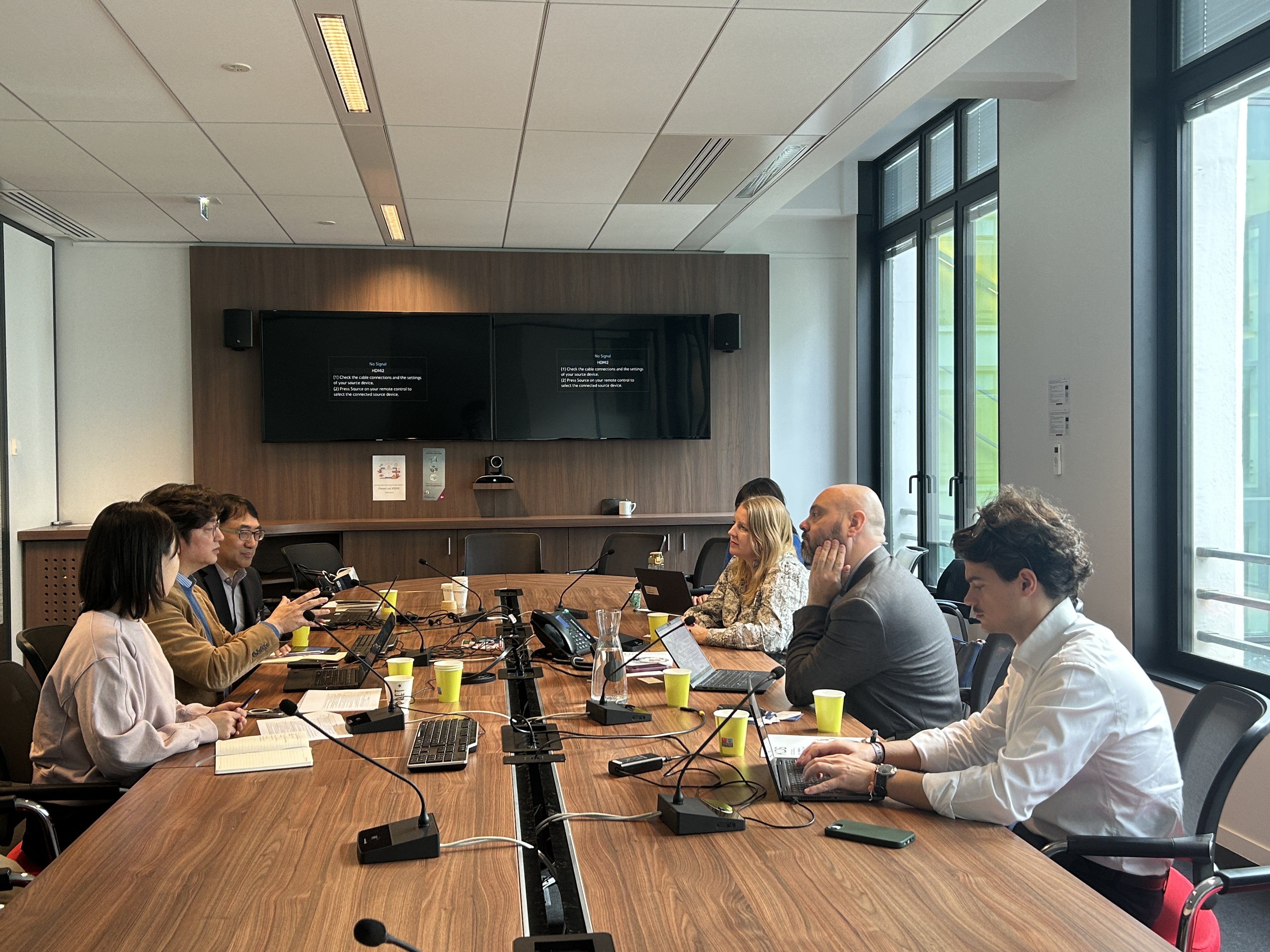
(Participation in an OECD Development Assistance Committee (DAC) meeting to align national climate mainstreaming strategies with global standards.)
KDS Insight
Korea Institute for Development Strategy (KDS) is committed to advancing Korea’s climate change ODA by identifying effective mitigation and adaptation projects.
We will continue to contribute to a sustainable future through professional consulting that promotes carbon-neutral societies in developing nations and refines the global standards of development finance.
