
Korea-Philippines Cooperation Through Smart Agriculture Gains Momentum via KOICA-KDS Invitational Training
Date 2026.02.24
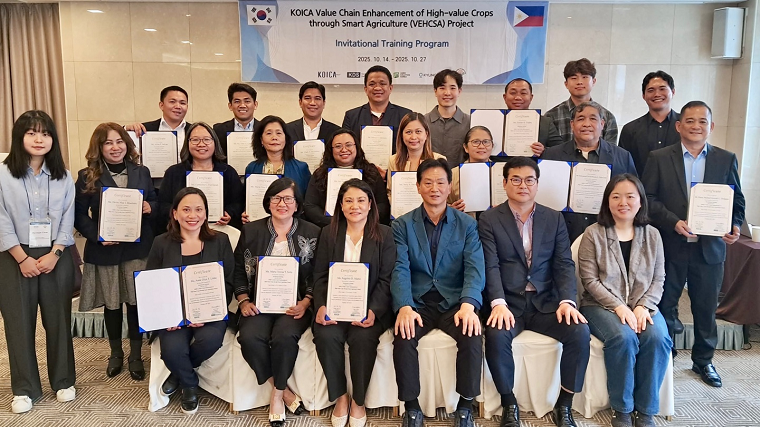
Korea Institute for Development Strategy (KDS) hosted an invitational training program in Korea from March 14 to 27, 2026, for project stakeholders. This initiative is part of the KOICA-funded grant aid project, "Project for Strengthening the Value Chain of High-Value Crops Using Smart Agriculture in Western Visayas, Philippines."
The training was designed for 16 officials from the Department of Agriculture (DA) of the Philippines, local government units (LGUs) in Western Visayas, and agricultural cooperatives. It aimed to share Korea’s expertise in smart agriculture policy, technology, distribution, and value chain establishment while supporting the enhancement of smart agriculture capacities in the Philippines.
Participants included officials from the DA Central Office and Regional Field Offices, LGUs, and cooperatives, as well as representatives from DA-affiliated training institutions and local PMC staff.
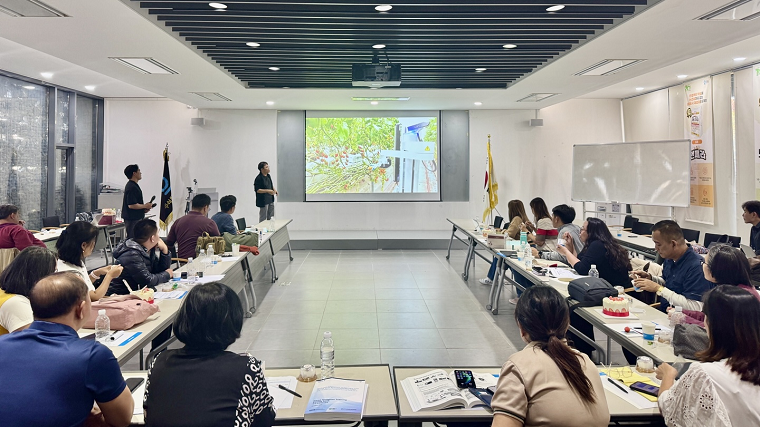
The curriculum consisted of four core modules: Policy, Technology, Marketing, and Action Plan Formulation. The program featured 65 hours of lectures, case studies, discussions, and field visits. Participants studied smart agriculture policies and systems, protected horticulture and open-field smart farm technologies, agri-food marketing, local food systems, and the process of developing Action Plans.
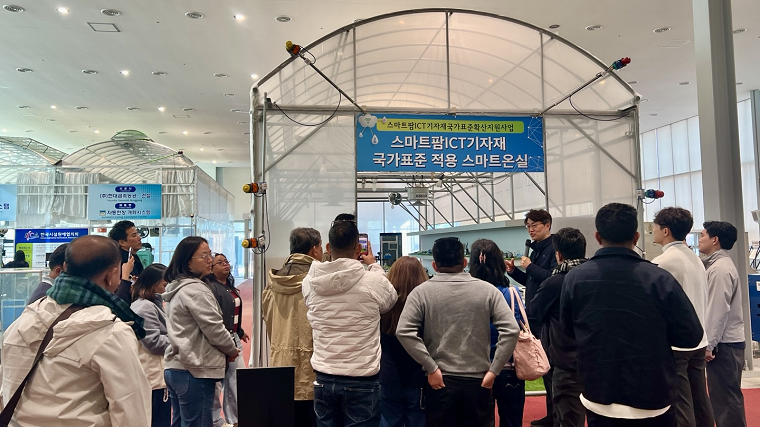
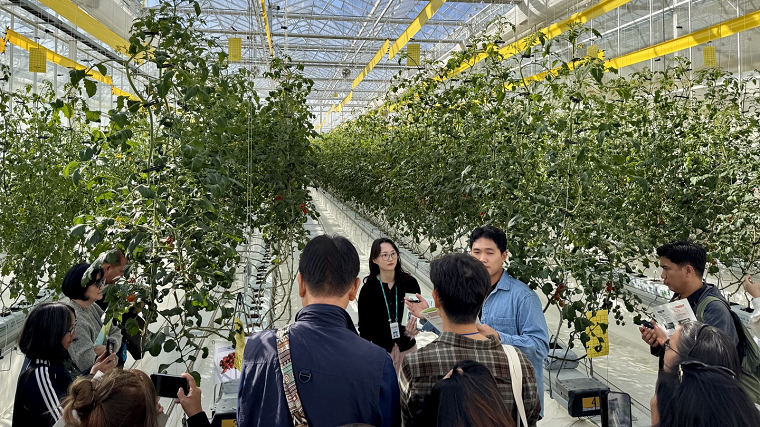
Notably, the participants traveled across Korea to experience diverse agricultural sites, including the Sangju Smart Farm Innovation Valley, the Kyung Nong Future Agriculture Center in Gimje, the National Institute of Agricultural Sciences, the Hongseong Agricultural Technology Center, Wanju Local Food, and open-field smart farms in Andong. These visits allowed them to observe integrated models of technology, institutional frameworks, and public-private partnerships firsthand.
Mr. Yoon Hae-jin, Vice President of Korea Institute for Development Strategy (KDS) and Project Manager, stated, "This training went beyond simple education; it aimed to derive field-oriented, executable action plans and create synergy in agricultural cooperation between the two nations. It also holds significant meaning in building a network among key stakeholders and laying the foundation for smooth project implementation."
Ms. Maria Teresa T. Solis, Regional Technical Director of the DA Western Visayas Regional Field Office, remarked, "This training was a very meaningful opportunity to strengthen the smart agriculture capacity of the Philippines. We gained great inspiration from Korea’s advanced smart agriculture technologies, systems, and value chain experiences, and we will apply these to the agricultural fields in Western Visayas to increase productivity and competitiveness."
She added, "I would like to express my deepest gratitude to KOICA, the Korea Institute for Development Strategy (KDS) consortium, and partner organizations for systematically preparing this program. We hope this training serves as a catalyst to further solidify agricultural cooperation between Korea and the Philippines and achieve sustainable agricultural development together through smart agriculture."
Building on this training, KOICA and Korea Institute for Development Strategy (KDS) plan to accelerate the construction of smart greenhouses currently underway at four sites in Western Visayas. Furthermore, they intend to establish a smart agriculture model tailored to the local conditions of Western Visayas to create long-term and practical outcomes.
The "Project for Strengthening the Value Chain of High-Value Crops Using Smart Agriculture in Western Visayas, Philippines" is being implemented from 2023 to 2027 with an $8 million grant from KOICA. The project is carried out by a consortium of Korea Institute for Development Strategy (KDS), Kyung Nong, and Agrosolution Korea. It aims to strengthen the value chain competitiveness of high-value crops in the Western Visayas region by promoting smart agriculture technology and establishing sustainable production models.
